
Allah says in the Qur'an:
97:1 Verily, We have sent it down in the Night of Al-Qadr.97:2 And what will make you know what the Night of Al-Qadr is?97:3 The Night of Al-Qadr is better than a thousand months.
Better than a thousand months.
That is more than 83 years of worship—a lifetime of devotion—compressed into a single night.
What Makes Laylat al-Qadr So Special?

Laylat al-Qadr is the night when the Qur’an was first revealed. It is a night of:
- Divine mercy
- Forgiveness
- Decree for the coming year
- The descent of angels
Allah says:
97:4 Therein descend the angels and the Ruh by their Lord's permission with every matter. 97:5 There is peace until the appearance of dawn.
Scholars explain that “the Spirit” refers to Jibreel (peace be upon him).
When Is Laylat al-Qadr?

The Prophet ﷺ did not give a fixed date. Instead, he instructed us to search for it in the last ten nights of Ramadan.
Allah's Messenger (ﷺ) said, "Search for the Night of Qadr in the odd nights of the last ten days of Ramadan."
Sahih al-Bukhari 2017
This wisdom teaches us something powerful:
Allah wants consistency, not a single night of effort.
The Greatest Reward: Complete Forgiveness
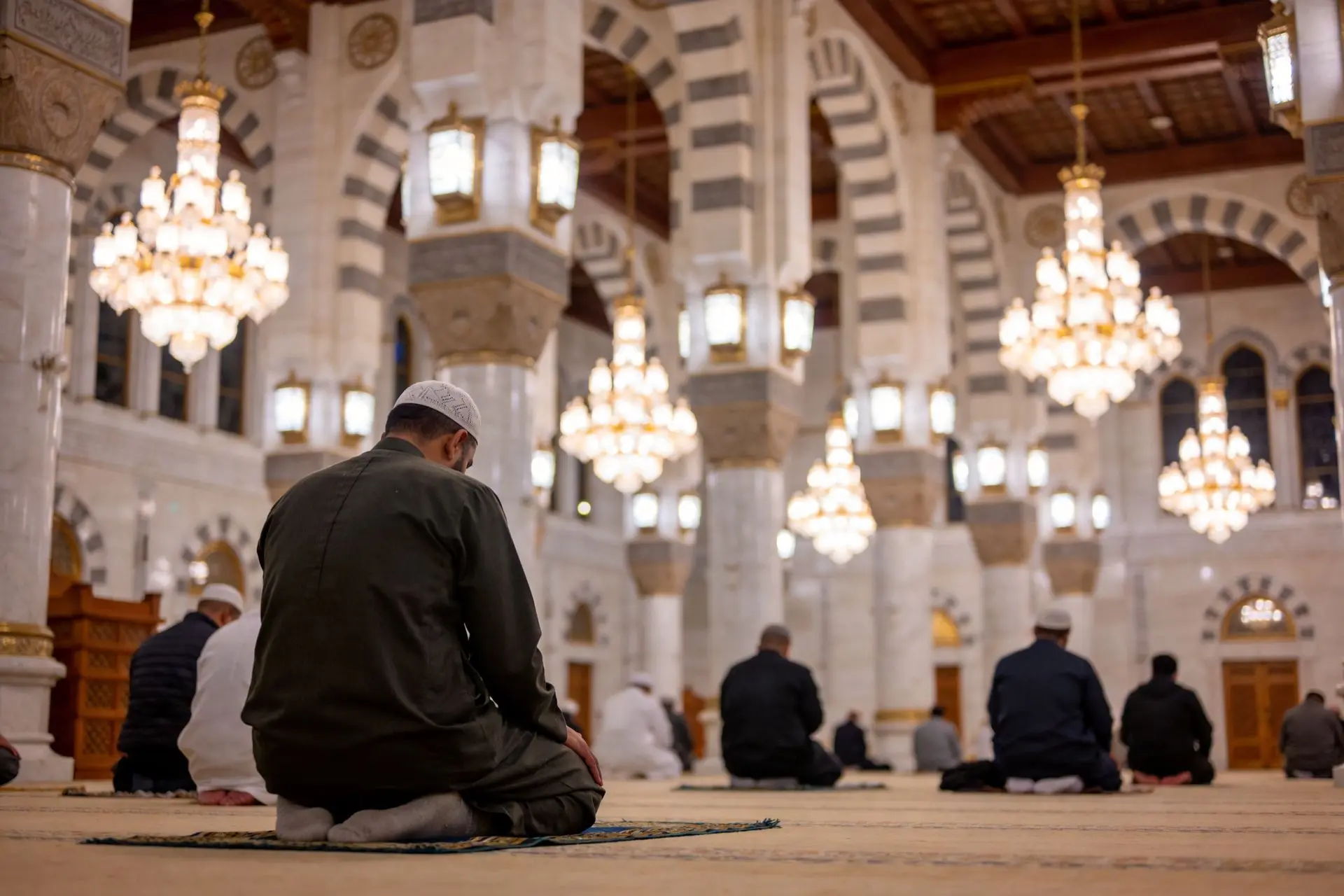
The Messenger of Allah [SAW] said: "And whoever spends the night of Lailat Al-Qadr in prayer out of faith and in the hope of reward, his previous sins will be forgiven."
Sunan an-Nasa'i 5027
All previous sins.
Not some. Not most.
All.
But there are two conditions:
- Iman (sincere faith)
- Ihtisab (seeking reward from Allah alone)
It is not about how long you pray—it is about the sincerity in your heart.
The Best Du'a to Say
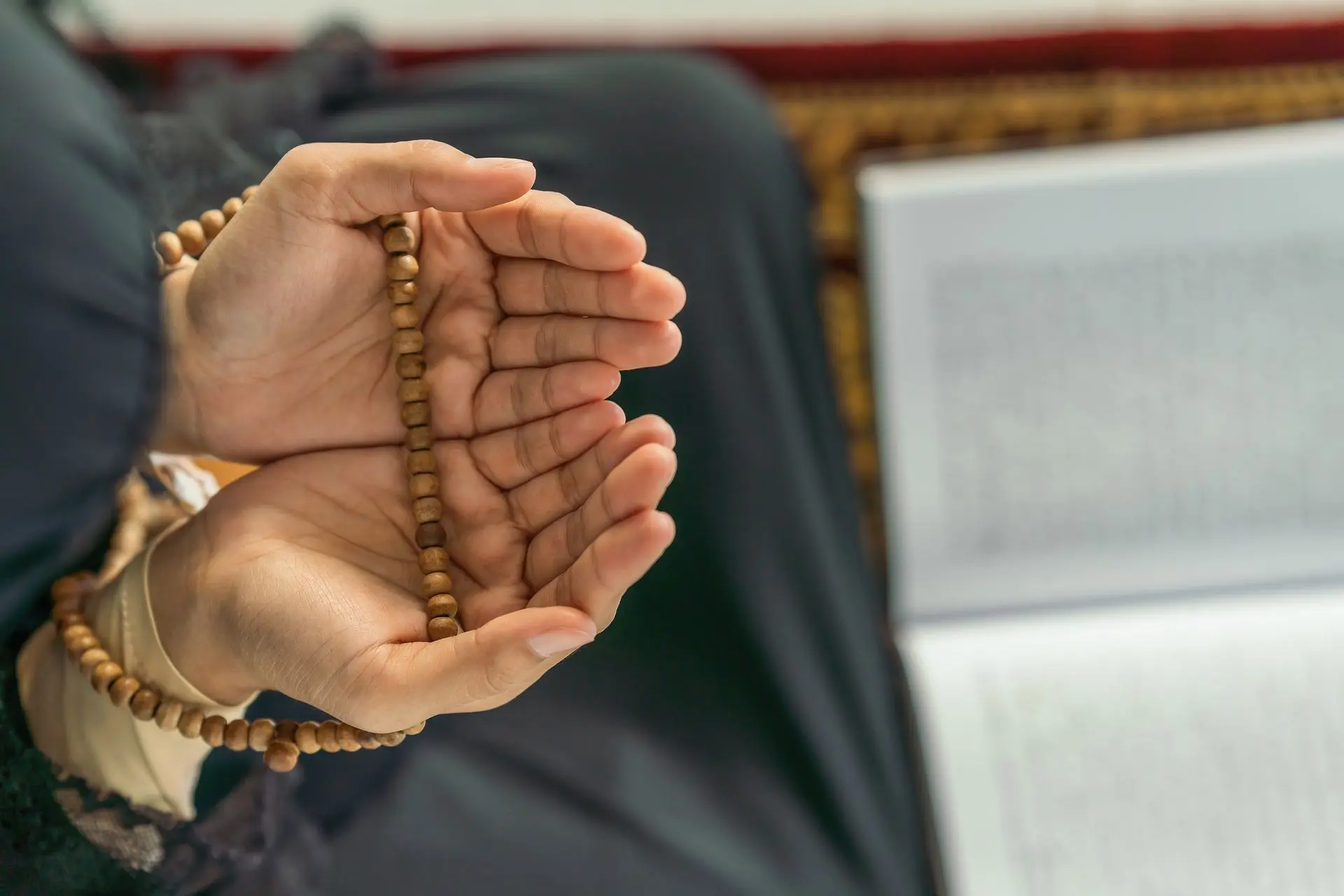
Aishah narrated:
“I said: ‘O Messenger of Allah, what is your view if I know when the Night of Al-Qadr is, then what should I say in it?” He said: ‘Say: “O Allah, indeed You are Pardoning, [Generous,] You love pardon, so pardon me (Allāhumma innaka `Afuwwun [Karīmun], tuḥibbul-`afwa fa`fu `annī).’”
Jami` at-Tirmidhi 3513
Notice the word Afuw.
It does not just mean “forgiving.”
It means erasing—completely removing the trace of the sin.
How the Prophet ﷺ Worshipped in the Last Ten Nights
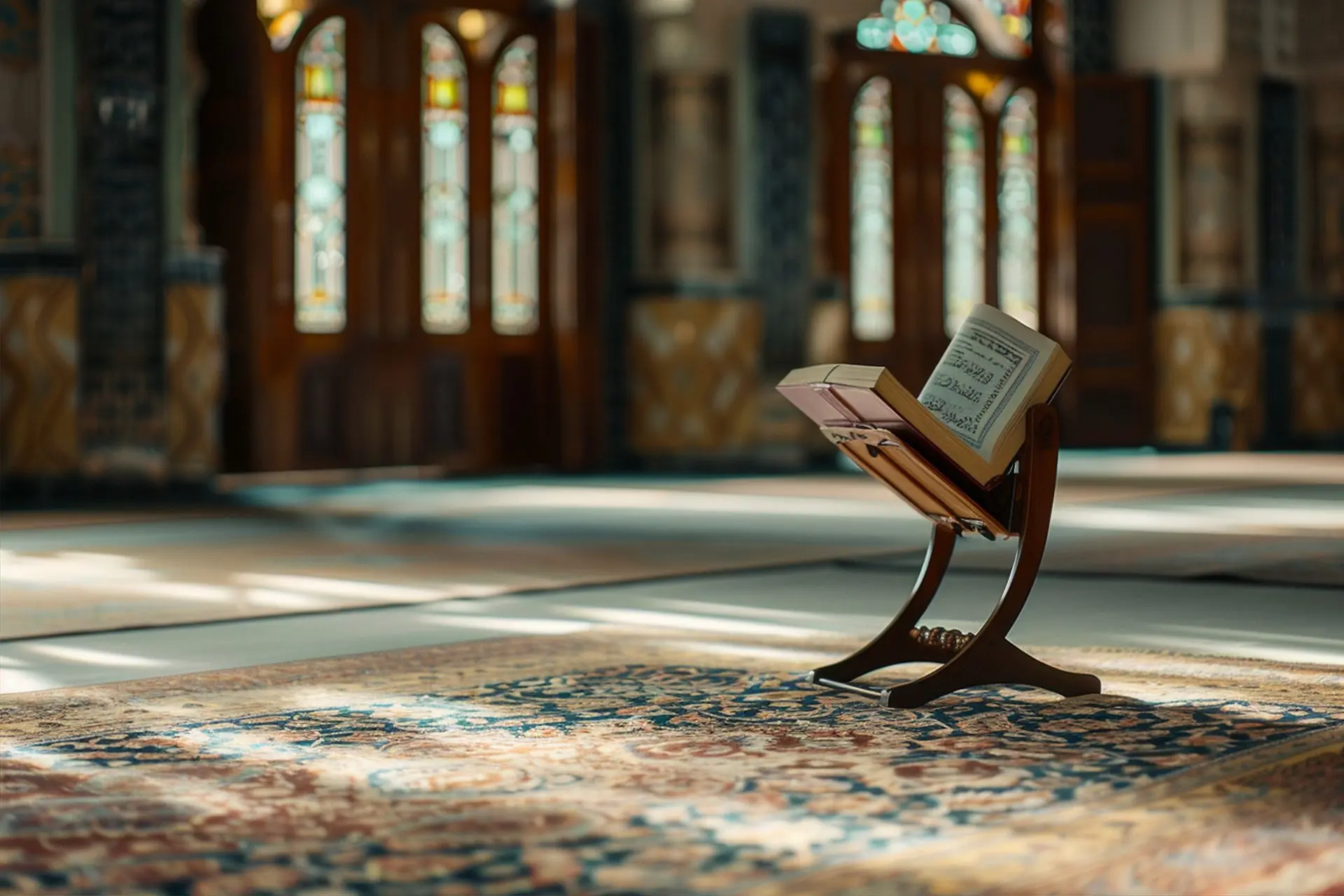
Narrated Aisha:
With the start of the last ten days of Ramadan, the Prophet (ﷺ) used to tighten his waist belt (i.e. work hard) and used to pray all the night, and used to keep his family awake for the prayers.
Sahih al-Bukhari 2024
He also performed i'tikaf (spiritual retreat in the mosque), dedicating himself entirely to worship.
A Practical Plan for Laylat al-Qadr
You do not need to exhaust yourself. You need focus.
Here is a simple structure:
1. Pray 2–8 sincere rak'at
Slow recitation. Long sujud. Speak to Allah.
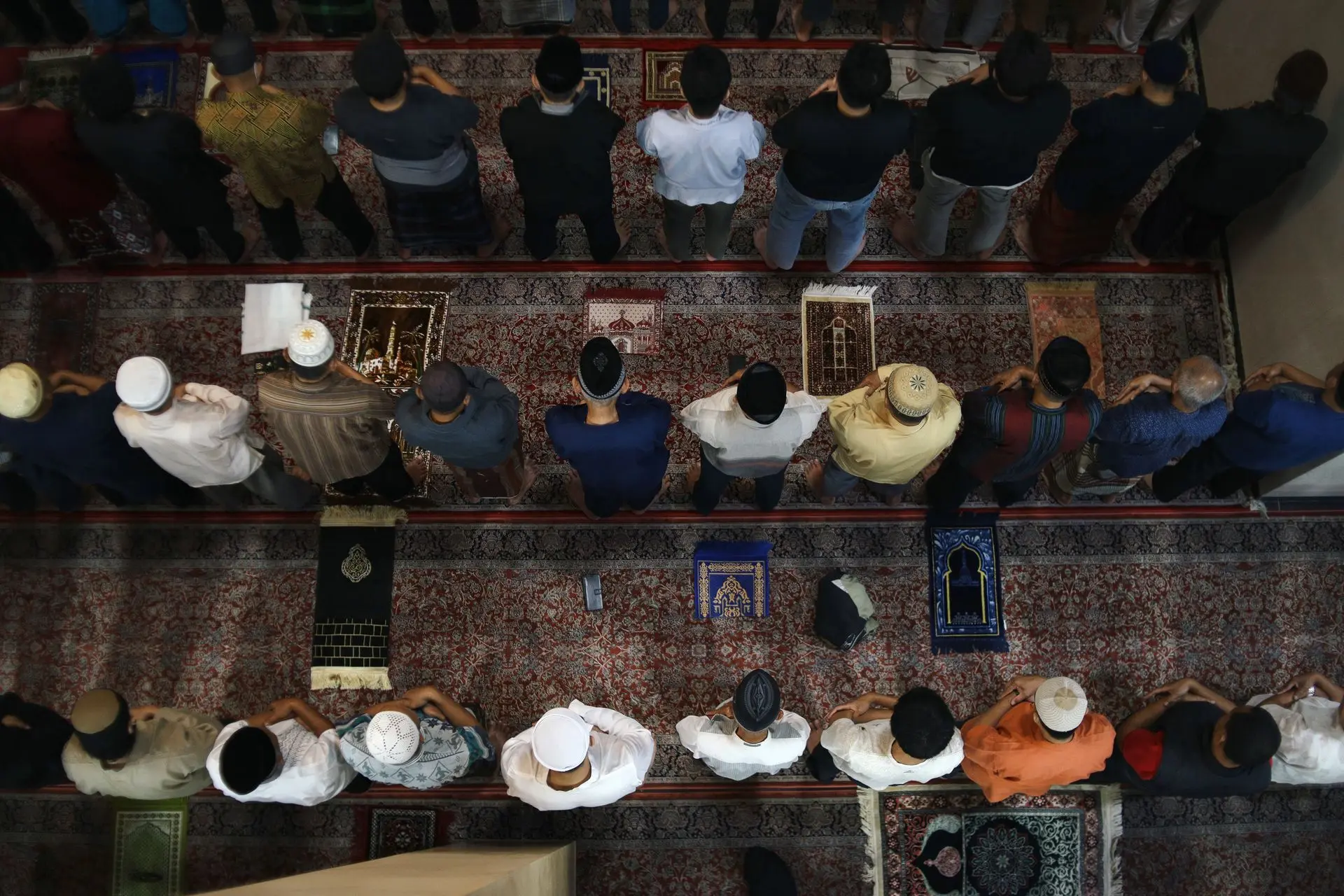
2. Make deep du'a
For your dunya and akhirah. For your family. For your future.

3. Ask for forgiveness intentionally
Name your sins. Cry if you can. Be honest.
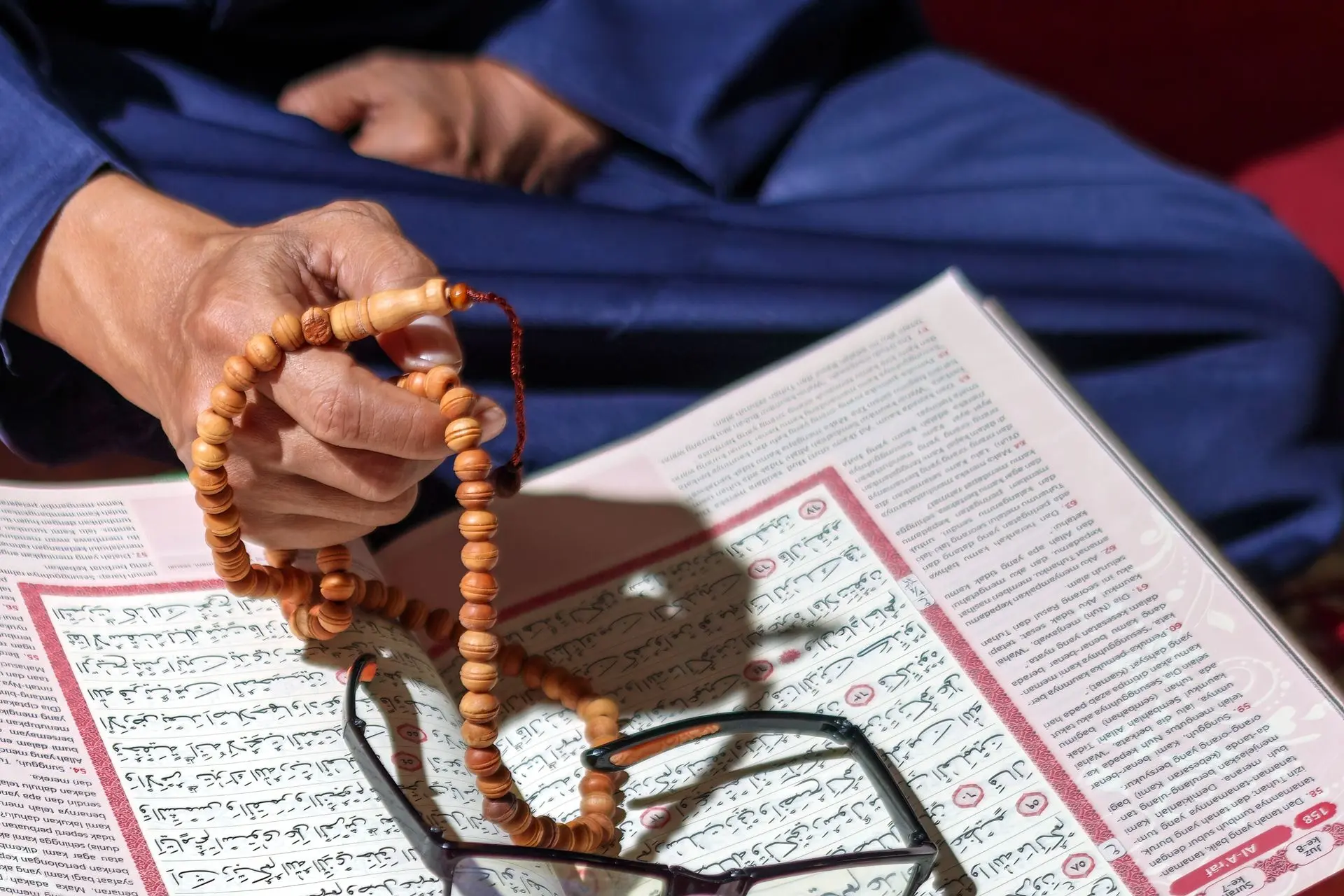
4. Recite Qur’an with reflection
Even one page with focus is better than many without presence.
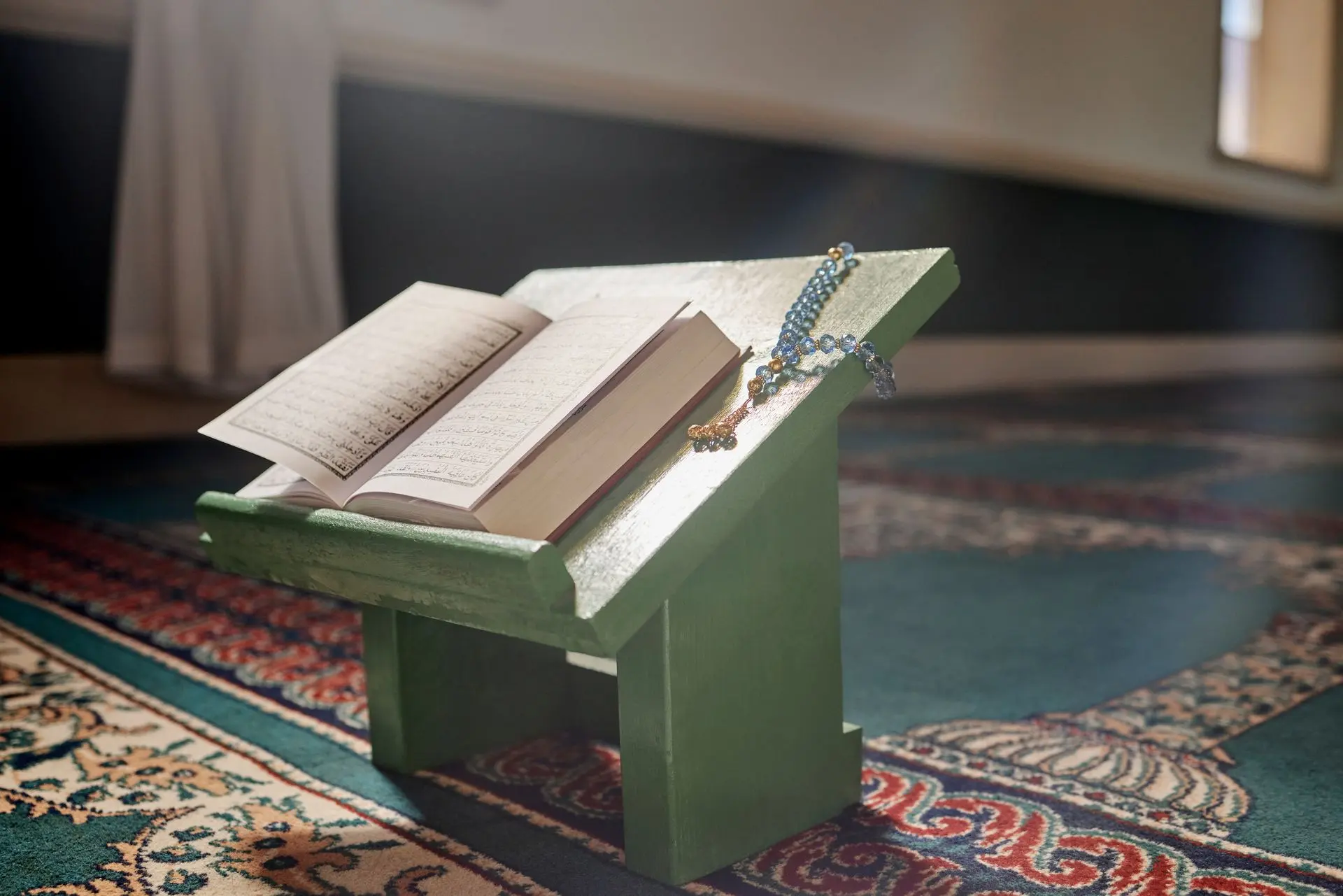
5. Give charity
Even a small amount—the reward multiplies beyond imagination.

Turn to Allah with sincerity. Whisper the duʿāʾ the Prophet ﷺ taught—asking the Most Forgiving to erase your sins. Pray with presence. Make du'a with urgency. Give charity with hope. And most importantly—believe that Allah wants to forgive you.
If this is the night your name is written among the forgiven, your entire year—perhaps your entire eternity—can change.
Do not let it pass as just another night of Ramadan.